
A well-planned sun shade can make an exposed window, balcony, entrance or outdoor seating area more comfortable during Amritsar’s bright, hot months. The right result depends on far more than choosing a fabric colour: size, projection, orientation, frame design, mounting surface, drainage and everyday operation all matter.
There is no single shade that is best for every property. A west-facing bedroom window needs targeted afternoon protection, while a restaurant terrace may need broad adjustable cover. A shop entrance must work around signage and shutters, and a car parking area has different height and structural requirements.
This guide explains how to compare sun shades in Amritsar for homes, shops, offices, restaurants and other properties. It covers common types, materials, site checks, pricing factors, installation and care so that you can ask better questions before ordering.
What Does a Sun Shade Do?
A sun shade intercepts direct sunlight before it reaches a window, door or occupied outdoor space. This can reduce glare, limit direct solar exposure and create a more usable area beneath the cover. Exterior shading is especially useful because it addresses sunlight before it passes through the glass, although results vary with the shade’s size, angle, material and the sun’s changing position.
Shade does not remain in exactly the same place throughout the day. A shallow projection may work when the sun is high but offer less coverage when late-afternoon sunlight enters at a lower angle. Orientation therefore matters: east-facing areas receive morning sun, west-facing areas receive strong afternoon sun, and south-facing elevations have their own seasonal pattern.
Common Types of Sun Shades
Fixed sun shades
A fixed sun shade remains extended. It is useful where coverage is wanted every day, such as above a shopfront, doorway or window. Its advantages are simple operation and consistent projection. The design still needs adequate slope, sound anchors and enough height for doors, shutters and pedestrians.
Because a fixed unit cannot be closed when the weather changes, its location and exposure need careful assessment. The frame and covering should suit the span, and water must be directed away from entrances, electrical equipment and neighbouring areas.
Folding sun shades
Folding systems provide adjustable cover and can suit balconies, terraces, windows and small commercial areas. Depending on the design, the cover may fold or retract against the building when it is not needed. This gives occupants more control over daylight and open-sky access.
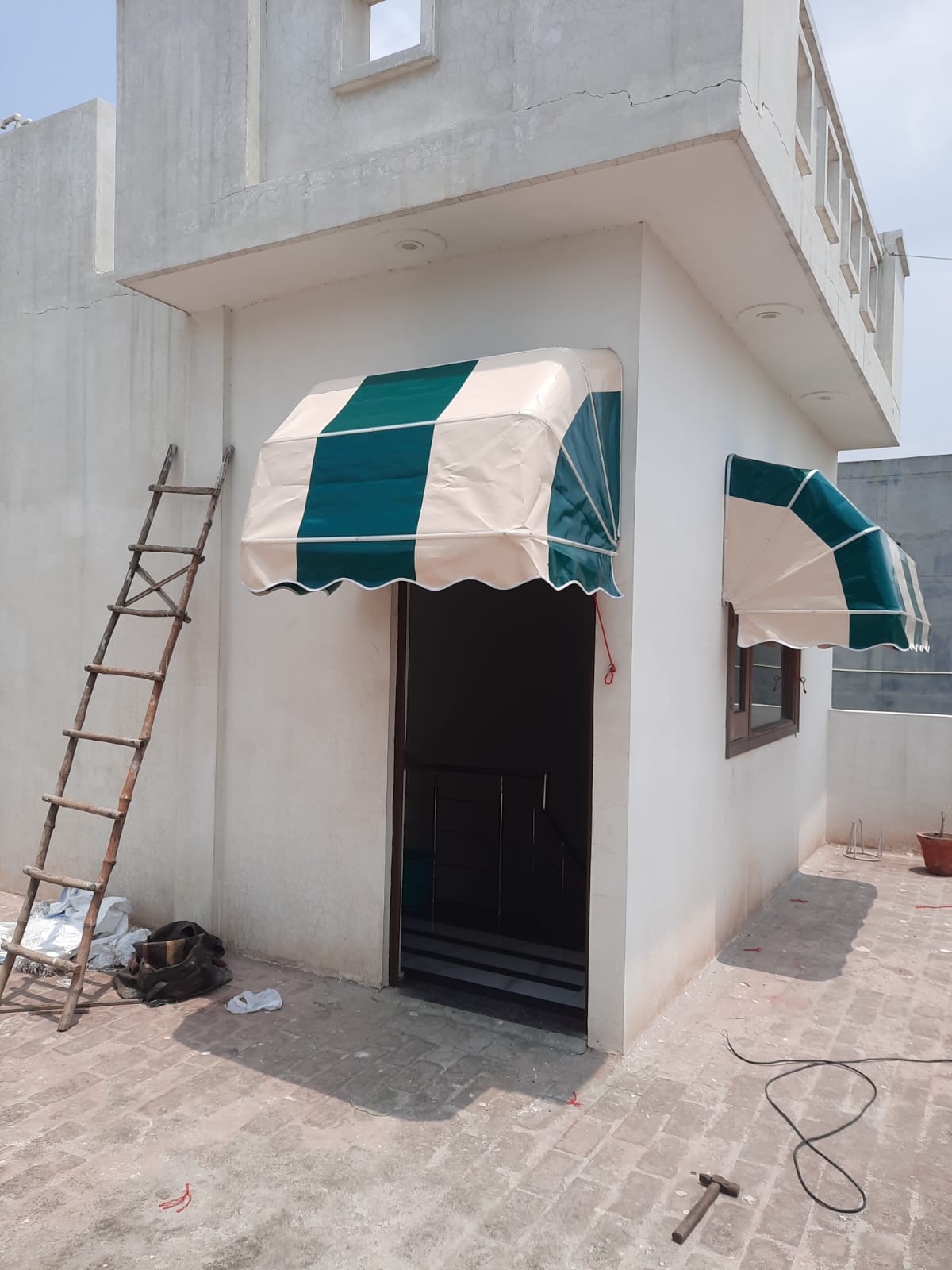
The operating mechanism and moving joints need appropriate use. A folding shade should move smoothly without being forced, and users should know when to close it during strong wind or heavy rain. For available options, see the folding sunshades section.
Retractable awnings and shades
A retractable awning extends outward when shade is required and closes when the area should remain uncovered. Manual systems use a crank or similar control, while powered options may be available for suitable projects. Retractable systems can work well above terraces, seating areas and wider openings where flexibility is valuable.
They are not designed to be left unattended in every weather condition. Projection creates leverage on brackets and arms, so the wall, anchors and installation height must be assessed. Compare the mechanism, frame, covering and aftercare rather than judging only by overall size. Our retractable awning information provides a useful starting point.
Window sun shades
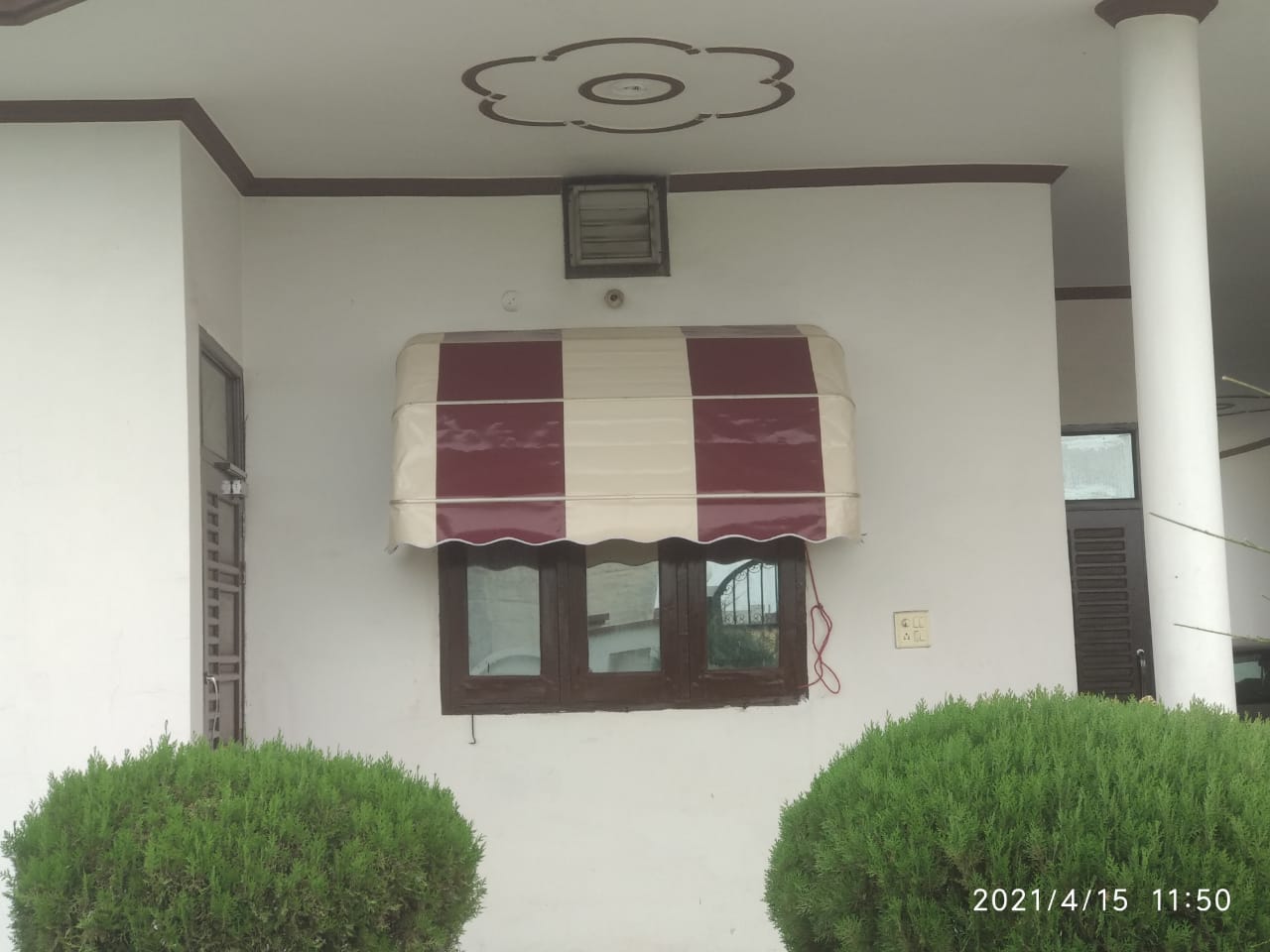
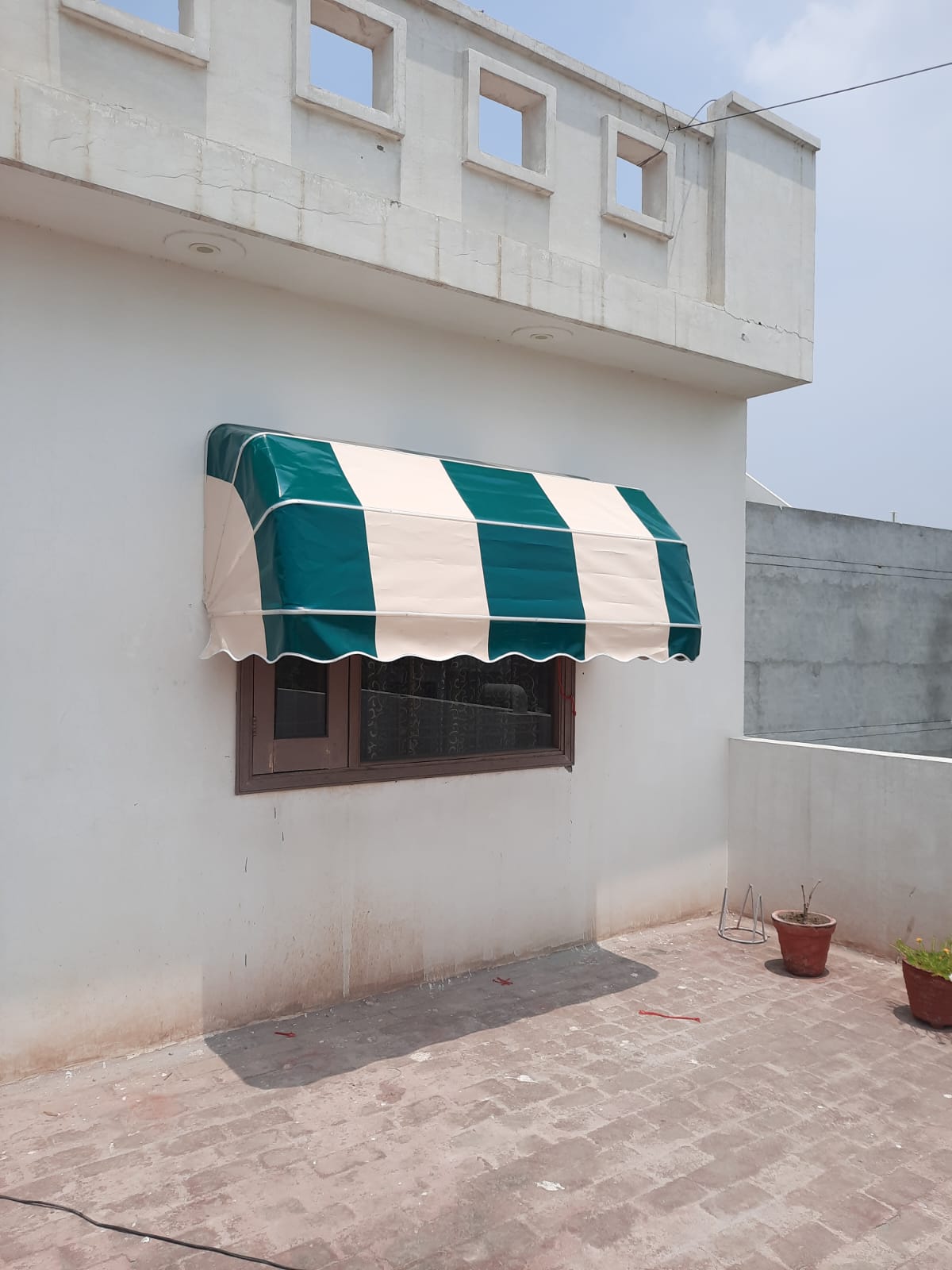
Window shades focus coverage above individual windows. They can reduce direct sunlight on glass, add definition to a facade and offer some shelter around the opening. The best projection and angle depend on window height, orientation, surrounding obstructions and the times when shade is most needed.
Check outward-opening windows, air-conditioning pipes, rainwater lines and nearby wiring before selecting the bracket position. A shade must not obstruct safe window use. Visit the window sunshades section for related options.
Parking and larger-area shades
Car parking areas, school spaces and larger courtyards require a different approach from a small window. Vehicle clearance, columns, turning space, drainage and wind exposure become central design factors. Freestanding or wider structures also need suitable foundations or verified fixing points. Avoid scaling up a lightweight window design without a site-specific structural approach.
Choose the Shade for Its Location
For a home balcony, think about when the family uses the space, how far the shade should project and whether it needs to retract for winter sunlight. Check the floor below for drainage and consider how rainwater will leave the edge. Apartment residents may also need permission before drilling into an exterior wall or changing the building facade.
Above windows, the priority is often glare and direct heat from the sun. A compact fixed or folding shade may be enough, but the design should preserve ventilation, window operation and daylight. If the concern is interior privacy rather than exterior sun, custom window blinds may address the requirement more directly.
For shops, cafes and restaurants, the shade must work with customer movement, signboards, shutters, outdoor tables, lights and delivery access. A low edge can become a hazard, while poor drainage can release water where people enter. Business colours may be considered, but confirm exterior material availability and how prolonged sunlight may affect the selected finish.
Compare the Frame and Covering as a System
A sun shade normally combines brackets, a supporting frame, fasteners and an exterior covering. These parts work together, so a quotation should describe more than the visible fabric. Frame design depends on span, projection, operation and exposure. The mounting surface is equally important because even a strong frame cannot compensate for weak or unsuitable anchoring.
Coverings vary in weight, flexibility, colour, water behaviour, UV exposure performance and cleaning needs. Ask what material is proposed, what use it is intended for and whether it is suitable for the selected mechanism. A heavier covering is not automatically better if the arms or roller are not designed for it.
Measurements and Site Checks
Approximate width and projection are useful for an initial conversation, but final manufacture should follow verified site measurements. The installer should inspect the wall or support, usable fixing area, height, clearances and access. Decorative cladding, hollow areas or concealed services may affect where brackets can safely sit.
Measure what the shade must cover, not only the opening itself. Useful shade may require overlap beyond a window or seating area. At the same time, projection must respect property boundaries, footpaths, gates, vehicles and neighbouring spaces. For retractable designs, allow for the closed unit and the movement of arms or fabric.
Identify pipes, cables, air conditioners, cameras, lights and signs before drilling. On commercial sites, agree installation hours and how the work area will be isolated from customers. Photographs from straight on and from both sides help with early planning, but they do not replace the final inspection.
What Affects Sun Shade Cost in Amritsar?
Price is usually influenced by measured width and projection, frame design, covering, fixed or retractable operation, manual or powered control, number of units and installation complexity. Height, restricted access, difficult mounting surfaces and removal of an old shade may also affect the work.
Compare quotations using the complete specification. A lower figure may cover a different material, projection, bracket arrangement or installation scope. Ask whether transport, fitting, controls and finishing are included. Also clarify the expected fabrication time and any site preparation required before installation.
It is usually more useful to request a site-based quotation than to rely on a generic per-square-foot figure. Two shades with similar face area can need different frames and mounting work because their projection and exposure differ.
What Good Installation Planning Includes
Before work begins, the design, dimensions, fixing points, operating side, slope and edge height should be confirmed. The work zone needs safe access and enough room for tools and the assembled shade. Fragile objects, vehicles and furniture should be moved away.
After fitting, inspect alignment, bracket security and smooth operation. A retractable unit should open and close without scraping or twisting. The covering should sit as intended, and the drainage direction should not send water toward a doorway. Ask the installer to demonstrate normal operation and explain the weather precautions.
Maintenance and Changing Weather
Regular light care is better than occasional aggressive cleaning. Brush away loose dust and leaves before they become embedded. Use a mild method suitable for the covering, rinse only when appropriate and let the material dry fully before closing or folding it. Avoid abrasive brushes, strong chemicals and pressure washing unless specifically approved.
Inspect brackets, fasteners, seams, edges, fabric tension and moving joints from a safe position. Look for corrosion, unusual movement, sagging or water pooling. Do not stand on an unstable chair or attempt high-level repairs without suitable equipment. Arrange professional inspection if fixings appear loose or the mechanism binds.
Close retractable and folding shades when strong wind, heavy rain or storms are expected unless the specific system has been designed and rated for those conditions. Do not allow water to collect in a sagging cover. After severe weather, check the installation before returning it to normal use.
Why Work with a Local Sun Shade Supplier?
A local supplier can inspect the actual orientation, fixing surface, access and surrounding obstructions rather than relying only on dimensions sent remotely. That helps align the product with how the property is used and makes it easier to discuss future maintenance or adjustment.
Prem Decor provides custom awnings, sunshades and related products in Amritsar. The process can begin with photographs and approximate dimensions, followed by a site visit where required. For a wider comparison of commercial, residential, retractable, window and terrace solutions, see our awnings in Amritsar guide.
Frequently Asked Questions
1. Which sun shade is best for a home in Amritsar?
The best type depends on the area and how it is used. Fixed shades suit regular coverage, while retractable or folding systems suit spaces where adjustable sun and open-sky access are useful. Orientation, projection and mounting conditions should guide the final choice.
2. Are sun shades waterproof?
Some exterior coverings can shed light rain when installed with suitable slope and drainage, but performance varies. Do not assume a sun shade can withstand heavy rain, pooled water or storms unless it is specifically designed for those conditions.
3. How much does a sun shade cost in Amritsar?
Cost depends on measured width and projection, frame design, covering, operating mechanism, mounting surface, installation height and access. A site assessment is normally needed for an accurate quotation.
4. Can a sun shade be installed over a balcony?
Often yes, provided there is a suitable fixing surface, adequate clearance and a design appropriate for the exposure. Drainage, neighbouring boundaries and any building permissions should also be considered.
5. What is the difference between a fixed and retractable sun shade?
A fixed shade remains extended and provides consistent coverage. A retractable shade can be opened or closed, giving more control but requiring suitable operation and extra care when the weather changes.
6. How long does sun shade installation take?
Timing varies with measurements, fabrication, number of units, mounting conditions, installation height and access. The installer can provide an estimate after assessing the site and design.
7. How should an outdoor sun shade be cleaned?
Remove loose dust with a soft brush, use a mild cleaning method approved for the covering and allow it to dry fully. Avoid harsh chemicals, abrasive tools and pressure washing unless specifically permitted.
8. Should a retractable sun shade stay open during strong wind?
It should normally be closed when strong wind, heavy rain or storms are expected unless the specific system is rated and installed for those conditions. Follow the supplier’s operating guidance.
Make the Decision from the Site Outward
The most successful sun shade starts with the location: where the sun enters, what must remain clear, how the unit will drain and who will operate it. Once those points are understood, frame design, covering, colour and mechanism can be compared on a useful basis.
Take photographs, note approximate measurements and list the times when shade is most important. A site assessment can then confirm whether a fixed, folding, retractable, window or larger-area shade is the practical choice for your Amritsar property.
Plan Your Sun Shade
Contact Prem Decor to discuss your location, approximate dimensions and preferred coverage.
Phone: +91 97799 14292
Email: premdecor.asr@gmail.com
Address: Opposite Pillar No. 64, Batala Road, Amritsar, Punjab 143001
Need a custom sun shade in Amritsar? Contact Prem Decor to arrange a consultation and site visit.